
"Ethiopian bean shape"
1000 article(s) found

Introduction to boutique coffee beans-- Ethiopian Yega Xuefei Coffee Yega Xuefei characteristics
Although the Ethiopian Yirgacheffe coffee is petite, it is gentle and delicate and sweet. As the hometown of coffee, thousands of years of planting history and processing tradition in Ethiopia have created high-quality washed Arabica beans. Light baking has unique sweet aromas of lemon, flowers and honey, soft acidity and citrus flavors, fresh and bright on the palate. Without

The characteristics of Ethiopian Coffee Flavor and Taste Manor introduce the varieties of Ethiopian coffee
The natural characteristics of coffee beans include large coffee beans.

According to what is Ethiopian coffee beans rated by the sun? what is the flavor of Yega Xuefei raw beans?
The rich, spicy, aromatic Ethiopian Harald coffee is a wild and exotic dry processed (natural) Arabica coffee. Small farmers growing between 1400 and 2000 meters above sea level in the Oromia region of southern Ethiopia (formerly Harald)
Ethiopian Coffee Flavor description Variety characteristics of High-quality Coffee beans
Yega Xuefei is a small town, 700-2100 meters above sea level, synonymous with Ethiopian boutique coffee. It has been a wetland since ancient times. The ancient saying "Yirga" means to settle down and "Cheffe" means a wetland. The mode of production and flavor of coffee here are so outstanding that Ethiopian coffee farmers compete to be proud of the flavor of their coffee, making it the best in Africa.

A brief introduction to the unique Market Price of Fine Coffee Bean varieties in Ethiopian Coffee Manor
Grade of Ethiopian coffee: Ethiopian washed coffee Yega Chuefei G1 G2 Sidamo (Yirgacheffe, Sidamo) has the highest grades 2 and 3 (G2, G3), while sun-processed coffee in eastern Ethiopia is mostly grade 4 or 5 (G4, G5). In many cases, level 4 coffee is marked as level 5 in order to reduce taxes. At present, the classification is not uniform and there are

Characteristics of Ethiopian coffee beans introduction to the taste of Ethiopian coffee beans
Professional coffee knowledge exchange more coffee bean information please follow the coffee workshop (Wechat official account cafe_style) front street-Ethiopian Coffee introduction of all the coffee producing countries, Ethiopia is the most eye-catching one. Ethiopia is a country with changeable landforms and various nationalities, and its coffee beans grow in different regions. That can be revered by more than 80 ethnic groups

General knowledge of Fine Coffee beans appearance and grading of Ethiopian Coffee
The grading we are talking about now refers to the grading of raw beans in the country where coffee is produced. (no matter which country coffee beans are not graded) Ethiopian coffee beans are divided into five grades. The first and second stages are reserved for washing beans with water. Grade 1 represents 0-3 raw beans and Grade 2 represents 4-12 missing beans per 300g raw beans. Grade 1 (G1) grade water washed bean pole

Introduction to the Flavor and Taste Manor of Ethiopian Fine Coffee beans
Ethiopian people are addicted to coffee. In 2003, domestic consumption accounted for 42.3% of the total output, with a per capita consumption of 3 kg. But more than half of the coffee produced each year is used for export to earn foreign exchange. The main exporters include the United States, Italy, the United Kingdom, Sweden, Norway, Greece, France, Belgium, Germany and Australia. Before 1974, the right to produce, process and trade coffee was controlled by

The characteristics of Essex Coffee Yega Snow Coffee Manor
The natural characteristics of coffee beans include large

A brief introduction to the Origin and Development of Fine Coffee beans in the unique Ethiopian Coffee Manor
Grade of Ethiopian coffee: Ethiopian washed coffee Yega Chuefei G1 G2 Sidamo (Yirgacheffe, Sidamo) has the highest grades 2 and 3 (G2, G3), while sun-processed coffee in eastern Ethiopia is mostly grade 4 or 5 (G4, G5). In many cases, level 4 coffee is marked as level 5 in order to reduce taxes. At present, the classification is not uniform and there are

Ethiopian coffee bean producing area of Ethiopian coffee bean flavor manor
Coffee is Ethiopia's most important export cash crop and the main source of Ethiopia's foreign exchange earnings. Ethiopia's coffee exports account for about 3% of the world market, making it the eighth largest coffee exporter in the world. Coffee exports increased steadily from 58000 tons in 1990 to 110000 tons in 1995-1996 and remained at this level in the following years. 2001-2002

Description of taste and flavor of Ethiopian coffee beans introduction of varieties in producing areas
The variety of Ethiopian coffee beans describes the taste and flavor of the varieties produced in Ethiopia. It is not clear how many Arabica subspecies there are in Ethiopia, even the official research unit of Ethiopia does not know. The coffee cooperatives in this mountain are certainly different from those planted in another mountain, and even small farmers in the same region grow different varieties of coffee. It has been estimated that Ethiopian coffee has at least 2pm 0
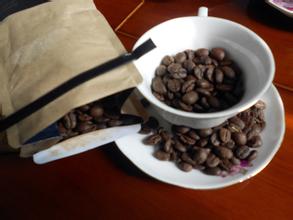
Ethiopian Yega Xuefei Coffee has a unique flavor and full taste.
Although the Ethiopian Yirgacheffe coffee is petite, it is gentle and delicate and sweet. As the hometown of coffee, thousands of years of planting history and processing tradition in Ethiopia have created high-quality washed Arabica beans. Light baking has unique sweet aromas of lemon, flowers and honey, soft acidity and citrus flavors, fresh and bright on the palate. No.

History and Flavor Characteristics of Central American and Ethiopian Summer Coffee Beans
Rose summer is a variety familiar to many coffee lovers. Both Central America and Ethiopia are planted, but do you know the difference between the summer flowers in these two regions? As a type of Arabica coffee bean, unlike the widely cultivated coffee varieties such as iron pickup and bourbon, Rosa is a native variety, that is, a descendant of wild coffee. Sometimes it is written gesha, because

Grade Analysis of Ethiopian Coffee beans
Ethiopian coffee beans are divided into five levels. The first and second stages are washed beans. Washed beans Grade1 represents 3 defective beans per 300g raw beans, and Grade2 represents 4 defective beans per 300g. Gradc1 grade water washed beans are very rare and are generally difficult to buy. At present, all the washed beans exported from Ethiopia are Grade2 grade. The quality of sun-dried beans is Grade3 and Grad in order.

Introduction to the Grinding scale of the Regional treatment method for the production of Ethiopian Coffee beans
Ethiopian Coffee Bean species Flavor Taste Manor Regional treatment Grinding scale introduces Ethiopia Sidamo is a type of single origin growing in Arabica coffee in Ethiopia's Sidamo province. Like coffee in most African countries, Ethiopian Sidamo is characterized by small gray beans, but characterized by its rich, spicy, wine or chocolate-like taste and flowers.

Good average quality; aromatic and full-bodied Ethiopian coffee plantation taste characteristics
Ethiopian coffee beans grow in a near-natural environment. After years of cultivation under the same growing conditions, Ethiopian coffee beans have gradually adapted to the environment here. More than 60% of coffee beans are forest or semi-forest grown coffee. Coffee farming villages produce about 35 percent of the country's coffee.

Introduction of grinding scale varieties of Ethiopian coffee beans by description and treatment of species and flavor
Ethiopian Coffee Bean species Flavor description treatment Grinding scale Variety introduction Ethiopian Sidamo is a type of single origin, growing in Arabica coffee in Sidamo, Ethiopia. Like coffee in most African countries, Ethiopian Sidamo is characterized by small gray beans, but characterized by its rich, spicy, wine or chocolate-like taste and floral aroma. In

Ethiopian Yejia Coffee Cochel Coffee Bean Flavor description method of producing area taste Grinding scale
The main producing areas of Ethiopian coffee are Harald in the east, Djimmah in the southwest and Sidamo in the south. Yirgacheffe, with its unique aroma, comes from the northwest of Sidamo province.

Introduction to the characteristics of grinding scale for description of taste and flavor of Ethiopian coffee beans
Description of taste and flavor of Ethiopian coffee beans the characteristics of grinding scale varieties introduce that the main producing areas of Ethiopian coffee are Harald in the east, Djimmah in the southwest and Sidamo in the south. And the unique fragrance of Yirgacheffe comes from Yi in the northwest of Sidamo province.